
When working on commercial construction or renovation projects in South Florida, understanding what lies beneath the concrete surface is essential. Many commercial buildings, parking garages, condominiums, and multistory structures contain post tension cables that play an important role in maintaining structural integrity.
Accidentally drilling into or cutting one of these cables can create serious safety hazards, structural damage, expensive repairs, and unexpected construction delays.
Professional post tension cable detection in South Florida helps contractors identify the location of embedded cables before drilling, coring, or cutting concrete. Using Ground Penetrating Radar (GPR) technology, MD Concrete Imaging helps construction professionals investigate concrete structures and make informed decisions before work begins.
Whether you’re managing a renovation in Miami, completing a commercial project in Fort Lauderdale, or preparing for concrete drilling in West Palm Beach, identifying post-tension cables should be an important part of your project planning.
What Are Post Tension Cables?
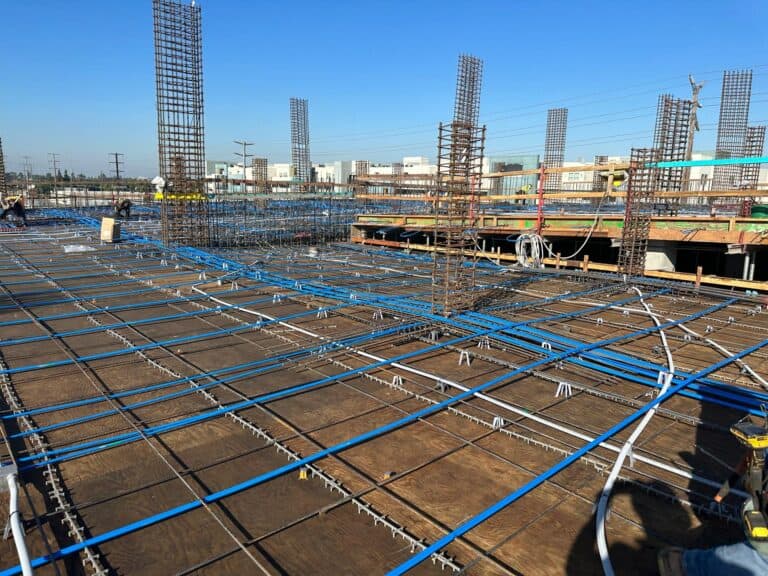
Post tension cables are high-strength steel tendons used to reinforce concrete structures. Unlike traditional reinforcing steel, post tension tendons are tensioned after the concrete has been poured and gained sufficient strength.
This process applies compressive forces to the concrete, helping improve its structural performance and allowing engineers to design certain structures with longer spans and thinner slabs.
Post tensioned concrete is commonly found in:
-
Commercial office buildings
-
High-rise condominiums
-
Parking garages
-
Hotels and resorts
-
Multistory residential developments
-
Certain bridges and structural systems
-
Large commercial construction projects
Throughout South Florida, post tensioned concrete is used in various commercial and residential structures, particularly where efficient structural design and longer spans are important.
Because these cables are embedded within concrete, their exact locations may not be visible without specialized investigative equipment.
Why Is Post Tension Cable Detection Important?
Post tension cables are designed to carry significant forces within a concrete structure. Damaging one can create risks that extend beyond the immediate drilling location.
Prevent Structural Damage
Post tension tendons contribute to the structural performance of the concrete. Cutting or damaging a tendon can alter how forces are distributed through the structure and may require evaluation by a structural engineer.
Repairs can be complex and expensive, particularly in occupied commercial buildings or multistory structures.
Protect Workers and Building Occupants
Post tension cables are under substantial tension. Accidental damage can cause sudden energy release, creating potentially dangerous conditions for workers and others nearby.
Locating these cables before drilling or cutting helps reduce the likelihood of accidental contact.
Avoid Costly Construction Delays
Unexpected structural damage can interrupt construction schedules while repairs, inspections, and engineering evaluations are completed.
Professional concrete scanning helps contractors identify potential conflicts early, reducing the risk of avoidable project interruptions.
Support Better Project Planning
Knowing the approximate location and layout of post-tension cables allows contractors and engineers to evaluate proposed drilling locations before work begins.
This information is particularly valuable when existing construction drawings are incomplete, outdated, or unavailable.
How Does Ground Penetrating Radar Detect Post Tension Cables?
Ground Penetrating Radar (GPR) is a non-destructive testing technology commonly used to investigate concrete structures.
GPR equipment sends electromagnetic signals into concrete and records reflections from embedded objects and changes in material properties.
Trained technicians analyze these reflections to identify potential post tension tendons, reinforcing steel, electrical conduit, and other detectable features.
During a typical scanning project, a technician moves the GPR equipment across the accessible concrete surface, evaluates the collected data, and marks interpreted findings directly on the concrete when appropriate.
GPR scanning offers several advantages for post tension cable detection:
-
Non-destructive investigation: Scanning does not require drilling into or damaging the concrete.
-
One-sided access: Many concrete scanning applications can be performed with access to only one side of the structure.
-
On-site results: Technicians can evaluate findings during the scanning process.
-
Hazard identification: Potential tendon locations can be marked to help contractors evaluate drilling and cutting plans.
-
Reduced disruption: GPR does not use ionizing radiation and generally requires less site disruption than radiographic testing.
However, GPR has limitations. Closely spaced reinforcement, concrete thickness, moisture, and other site conditions can affect results. GPR also cannot always distinguish post tension cables from other embedded metallic objects without additional information.
Scanning results should be interpreted alongside available structural drawings and engineering guidance.
What Happens If You Drill Into a Post Tension Cable?
Accidentally drilling into a post tension cable can result in significant structural and safety concerns.
Depending on the tendon system, location, and extent of damage, consequences may include:
-
Sudden release of stored tension
-
Damage to surrounding concrete
-
Reduced structural capacity
-
Potential injury to nearby workers
-
Expensive structural repairs
-
Construction delays
-
Additional engineering evaluations
The severity of the damage depends on the specific structure and tendon configuration.
If a post tension cable is suspected of being damaged, work should stop in the affected area, personnel should remain clear of potential hazards, and a qualified structural engineer should evaluate the situation before work resumes.
This is why post tension cable detection should be completed before drilling, coring, or saw cutting begins.
When Should You Schedule Post Tension Cable Detection?
Post tension cable scanning should be considered whenever work may penetrate or modify a post tensioned concrete structure.
Common applications include:
Concrete Core Drilling
Core drilling creates circular openings through concrete for electrical, mechanical, and other building systems. Scanning helps identify potential tendon locations before drilling.
Concrete Saw Cutting
Saw cutting may be necessary during renovations or structural modifications. Identifying embedded tendons before cutting helps reduce the risk of accidental damage.
Structural Anchoring
Installing anchors or equipment supports into concrete may require drilling near reinforcement or post tension tendons.
Commercial Renovations
Building renovations frequently involve modifications to existing concrete slabs and walls. Scanning provides valuable information when contractors need to work around embedded structural components.
Parking Garage Improvements
Parking garages may contain post tensioned slabs and beams. Concrete scanning helps contractors investigate these areas before performing repairs, installations, or modifications.
Ideally, scanning should be scheduled during the planning stage, before drilling locations are finalized.
Post Tension Cable Detection for South Florida Construction Projects
South Florida has a diverse construction market that includes commercial buildings, high-rise condominiums, hotels, parking structures, and mixed-use developments.
Many of these properties undergo renovations, infrastructure upgrades, and ongoing maintenance that may require modifications to existing concrete.
Miami and Miami-Dade County
High-rise buildings, commercial developments, and parking structures throughout Miami may contain post-tensioned concrete systems.
Professional concrete scanning helps contractors investigate embedded structural components before beginning drilling or cutting operations.
Fort Lauderdale and Broward County
Commercial renovations, condominium improvements, and parking garage projects throughout Fort Lauderdale and Broward County can benefit from GPR scanning before concrete modifications.
Identifying potential post tension tendons helps contractors coordinate their work and reduce unnecessary risks.
West Palm Beach and Palm Beach County
From commercial office buildings to multistory residential properties, construction professionals throughout West Palm Beach and Palm Beach County may encounter post tensioned concrete during renovation and improvement projects.
Concrete scanning provides important information for evaluating proposed drilling and cutting locations.
Can Post Tension Cables Be Located Without GPR?
Construction drawings may provide information about the general layout of post-tension tendons. However, actual cable locations can differ from the original plans.
Visual inspection alone generally cannot establish the exact location of tendons embedded within concrete.
Other investigative methods, including radiography, may be appropriate in certain situations, but Ground Penetrating Radar is commonly used because it provides non-destructive scanning and allows technicians to evaluate findings on-site.
The appropriate method depends on the structure, accessibility, required level of detail, and project conditions.
For critical structural work, concrete scanning should be coordinated with a qualified structural engineer.
Why Choose MD Concrete Imaging for Post Tension Cable Detection?
When drilling or cutting into existing concrete, understanding the location of embedded structural components is an important part of responsible construction planning.
MD Concrete Imaging provides professional concrete scanning and Ground Penetrating Radar services for contractors, engineers, and construction professionals throughout South Florida.
Our scanning services help investigate potential post-tension cable locations, reinforcing steel, electrical conduit, and other detectable embedded features before concrete modifications begin.
By using non-destructive GPR technology, we help construction teams gather valuable information about existing concrete conditions while minimizing unnecessary disruption.
Whether you’re working on a commercial renovation, parking garage improvement, condominium project, or structural modification, professional concrete scanning can help you make more informed decisions before drilling or cutting.
Schedule Post Tension Cable Detection in South Florida
Before drilling, coring, or cutting into concrete, make sure potential post tension cable locations have been properly investigated.
Professional post tension cable detection helps contractors reduce the risk of structural damage, safety hazards, unexpected repairs, and costly construction delays.
MD Concrete Imaging provides professional GPR concrete scanning and post tension cable detection services throughout South Florida, including Miami, Fort Lauderdale, West Palm Beach, and surrounding communities.