
Commercial construction and renovation projects throughout Orlando, Florida, frequently require drilling, cutting, or modifications to existing concrete structures. Whether contractors are installing electrical systems, upgrading mechanical equipment, or completing structural renovations, understanding what lies beneath the concrete surface is essential before work begins.
Concrete slabs, walls, and other structural elements often contain hidden materials that cannot be seen from the surface. Drilling without identifying these components can lead to costly damage, safety hazards, and unexpected construction delays.
Professional concrete scanning in Orlando, FL, helps contractors identify potential hazards before core drilling begins. Using advanced Ground Penetrating Radar (GPR) technology, MD Concrete Imaging helps construction professionals make informed decisions while reducing unnecessary risks on the jobsite.
What Is Concrete Scanning?
Concrete scanning is a non-destructive testing method used to investigate the interior of concrete structures before drilling, cutting, coring, or making modifications.
Ground Penetrating Radar (GPR) technology transmits electromagnetic signals into concrete and analyzes the reflections that return to the surface. These signals allow trained technicians to identify potential embedded objects and structural features.
Unlike destructive testing methods, GPR scanning does not require breaking or drilling into concrete to investigate what may be hidden inside.
Concrete scanning can help identify:
Reinforcing Steel (Rebar): Steel reinforcement that provides strength and structural support within concrete.
Post Tension Cables: High-strength steel tendons used in post tensioned concrete structures.
Electrical Conduit: Potential pathways for electrical wiring embedded within concrete.
Embedded Objects: Metallic and certain nonmetallic materials that produce detectable radar reflections.
Voids and Anomalies: Changes within concrete that may indicate areas requiring further investigation.
Detection capabilities depend on factors such as concrete thickness, moisture, reinforcement density, and site conditions.
Why Concrete Scanning Should Be Completed Before Core Drilling
Core drilling is commonly performed during commercial construction, renovations, and building upgrades throughout Orlando and Central Florida.
Although core drilling is a routine construction activity, drilling into concrete without first investigating embedded materials can create significant risks.
1. Prevent Damage to Post Tension Cables
Post tensioned concrete is frequently used in commercial and multistory structures, including parking garages and certain high-rise buildings.
These systems contain steel tendons that are tensioned to improve the structural performance of concrete.
Accidentally cutting or damaging a post tension cable can create serious safety concerns, compromise structural integrity, and result in expensive repairs.
Professional GPR scanning helps identify potential cable locations before drilling begins, allowing contractors to coordinate their work with construction and engineering teams.
2. Identify Reinforcing Steel Before Drilling
Rebar is an essential component of reinforced concrete construction. It helps concrete resist tensile forces and contributes to the overall strength of a structure.
When contractors drill through reinforced concrete without knowing the location of embedded steel, they risk damaging reinforcement that may be important to structural performance.
Concrete scanning helps identify rebar patterns and approximate locations so contractors can plan drilling positions and avoid unnecessary interference with structural components.
3. Reduce the Risk of Electrical Conduit Damage
Electrical conduit is frequently embedded within concrete floors, walls, and other building elements.
Accidentally drilling into electrical conduit can cause equipment damage, electrical hazards, power interruptions, and construction delays.
GPR scanning can help identify potential conduit locations, allowing contractors to evaluate and adjust proposed drilling areas before work begins.
4. Minimize Construction Delays and Unexpected Expenses
Unexpected damage during concrete drilling can quickly affect a construction project’s timeline and budget.
Repairs may require additional labor, replacement materials, engineering evaluations, and temporary work stoppages.
By identifying potential hazards before drilling, contractors can reduce the likelihood of costly interruptions and make better-informed decisions about where work should take place.
Concrete Scanning for Commercial Construction in Orlando
Orlando and the surrounding Central Florida region have a wide variety of commercial properties that require ongoing construction, renovations, and structural improvements.
Professional concrete scanning supports projects across several industries.
Hotels and Hospitality Properties
Orlando’s hospitality industry includes hotels, resorts, restaurants, and entertainment facilities that regularly undergo renovations and facility improvements.
GPR scanning can help contractors investigate concrete before installing new electrical systems, mechanical equipment, or structural anchors.
Hospitals and Healthcare Facilities
Healthcare facilities often require renovations to accommodate updated equipment, infrastructure improvements, and expanding services.
Concrete scanning helps construction teams investigate embedded materials before drilling or modifying concrete, reducing the risk of unexpected damage in sensitive environments.
Office Buildings and Retail Centers
Commercial tenant improvements frequently involve electrical upgrades, equipment installations, and interior renovations.
Before drilling or cutting concrete, contractors can use GPR scanning to help identify potential conflicts with existing reinforcement and embedded conduit.
Parking Garages and Multistory Structures
Parking garages and multistory commercial buildings may contain post tension cables and substantial reinforcing steel.
Identifying these structural components before drilling or anchoring is particularly important when modifications are being made to existing concrete.
How Does GPR Concrete Scanning Work?
The concrete scanning process begins with an evaluation of the area where drilling, cutting, or other modifications are planned.
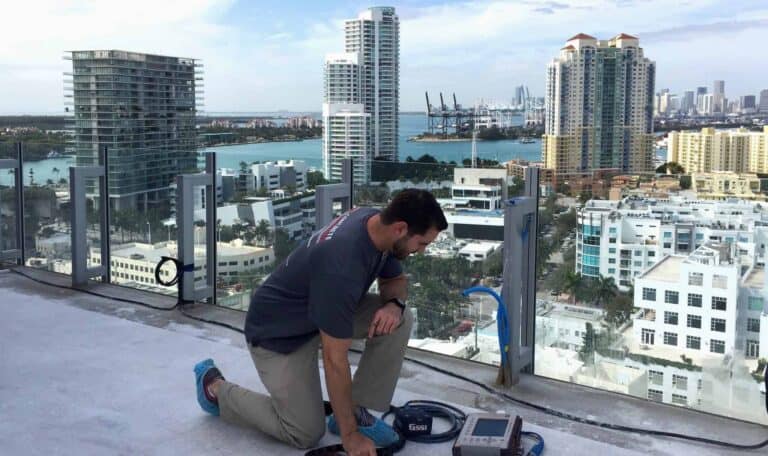
A trained technician uses specialized Ground Penetrating Radar equipment to investigate the accessible concrete surface.
As the equipment moves across the concrete, it collects radar reflections that can indicate embedded materials or changes within the structure.
The technician interprets the data and may mark potential hazards directly on the concrete surface.
These markings provide contractors with valuable information when evaluating proposed drilling locations.
Because GPR scanning is non-destructive, it can often be performed without interrupting surrounding construction activities.
However, GPR results require professional interpretation, and additional investigation or engineering review may be necessary depending on the structure and project requirements.
When Should Contractors Schedule Concrete Scanning?
Concrete scanning should be considered during project planning and before any drilling or cutting begins.
Common applications include:
Core drilling through concrete slabs or walls
Saw cutting concrete surfaces
Installing structural anchors
Electrical system installations
HVAC and mechanical equipment upgrades
Commercial building renovations
Parking garage modifications
Structural retrofits
Tenant improvement projects
Scheduling concrete scanning early allows contractors to identify potential conflicts before committing to drilling locations.
This is particularly valuable when original construction drawings are unavailable, incomplete, or may not accurately reflect existing conditions.
Why Choose MD Concrete Imaging for Concrete Scanning in Orlando?
When working with existing concrete structures, identifying potential hazards before drilling is an important part of construction planning.
MD Concrete Imaging provides professional concrete scanning and Ground Penetrating Radar services for contractors, engineers, and construction professionals throughout Orlando and Central Florida.
Our concrete imaging services help identify potential embedded hazards, including reinforcing steel, post tension cables, and electrical conduit, before drilling, cutting, or other modifications begin.
Using non-destructive GPR technology, we help construction teams gather important information about existing concrete conditions while minimizing unnecessary disruption to their projects.
Whether your project involves a commercial renovation, equipment installation, or structural modification, MD Concrete Imaging can help you take a more informed approach to concrete drilling.
Schedule Concrete Scanning in Orlando, FL
Before beginning a concrete core drilling or cutting project, make sure you understand what may be hidden beneath the surface.
Professional concrete scanning can help reduce the risk of structural damage, accidental utility strikes, unexpected repairs, and costly project delays.
Call our Orlando office at 407-282-4442 to learn more about our services.